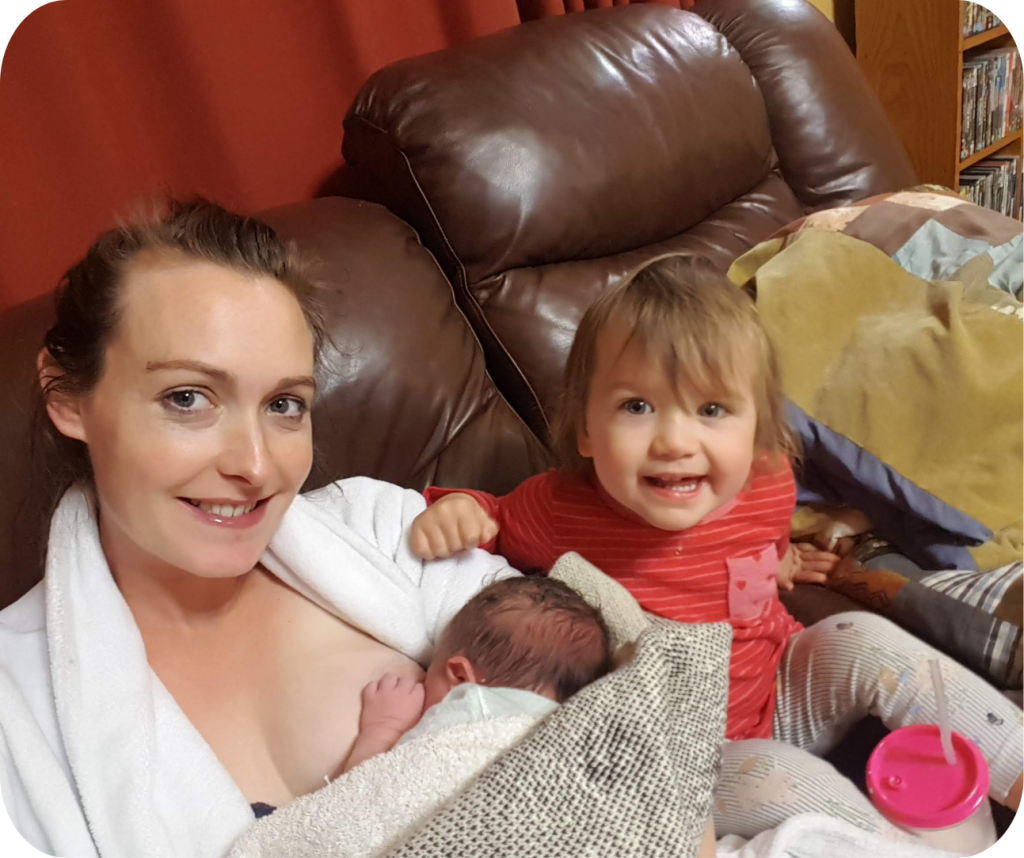
Emma and Daniels* TTC Journey

Emma and Daniel had been trying to conceive for 18 months with no success. After learning about their fertility, they realised that they were not having sex at the right time. Read on to see how long it took them to get their BFP after learning about Fertility Awareness

Emma and Daniel (not their real names) first made contact with me via email. They informed me that they had been trying for a baby for eighteen months and were keen to have the support of a Natural Fertility educator to learn the symptom-thermal method in the hopes of achieving conception.

Eighteen months is a long time when you’re measuring your life in two-week increments. Waiting for that window of fertility, ovulation test strips, hoping your period doesn’t arrive. Long enough for baby showers to sting and frustration with repeating “We’ve been trying…” when friends and family asked when a baby might be on the horizon.

Emma and Daniel appeared to be the picture of health. Early thirties. Non-smokers, non-drinkers. Both were keen runners and enjoyed long walks in the weekend. Both had a diet that would impress most dietitians. They had done all the “right” things.

Their GP had completed standard preconception tests. Emma had regular cycles, around 29–30 days, and had never used hormonal contraceptives. No obvious red flags. No diagnosis.

Daniel did most of the talking at first. “We don’t know what we’re missing,” he said. “We’ve religiously tracked Emma’s cycle with an app. We’ve timed intercourse. We’ve relaxed. We’ve not relaxed…. and still nothing.”

As an NFNZ educator, the first appointment is in depth and includes education. Understanding the physiology of the female and male reproductive system is taught and often surprises people when informed that ovulation does not always occur on Day 14 of their cycle. Most people (and apps) go by ovulation as occurring on Day 14. Emma agreed “My app always says Day 14 or 15.” However, what is misunderstood is that apps can only predict, not know for sure.

Introducing Emma and Daniel to the cornerstone of the sympto-thermal method fascinated them both. The art of observing cervical mucus and charting basal body temperature (BBT) as a window into physiology.

We talked about oestrogen rising before ovulation, stimulating fertile cervical mucus — clear, stretchy, slippery, often compared to raw egg white. We talked about progesterone rising after ovulation and an increase in resting body temperature. We discussed how ovulation can only be confirmed retrospectively by a sustained temperature shift.

Emma was perplexed “So the fertile window isn’t fixed?”

They looked at each other. Emma put her face in her hands “I usually start noticing that slippery mucus you have just described around day 17 of my cycle. But the app says I’ve already ovulated by then.”

I paused and asked “when do you usually time intercourse?”

“Days 8, 10 and 12 –  that’s what we were told the best timing for conception was” Emma replied.

There it was.

We decided on a simple plan for the next few months: no drastic dietary overhauls, no ovulation strip testing. Just meticulous observation. Emma would take her temperature first thing every morning before getting out of bed, at roughly the same time, using a basal thermometer. She would record cervical mucus daily. Together, we would identify the temperature shift.

The first cycle of charting was illuminating. Ovulation had likely occurred around Day 18.

They had been stopping intercourse just as her fertile window was beginning.

When Emma came back in with her first chart, she stared at it as though it were a map she’d never known existed. “I’ve been ovulating almost a week later than I thought – we have been missing it.” Not because they were infertile and not due to hidden pathology. Simply put –  because prediction is not the same as observation.

Over the next two cycles, the pattern repeated. Ovulation between Day 17 and 18. A consistent, healthy luteal phase. Clear temperature shift an fertile mucus beforehand. Physiologically, everything was as it should be.

Emma and Daniel adjusted their timing. Rather than aiming for a specific calendar date, they were using signs of fertility as taught to achieve conception. Instead of guessing, they were responding. Instead of feeling betrayed, they were collaborating with the information that Emma’s body was showing.

On the third cycle of charting, Emma emailed me before our scheduled appointment.

“Can we move our session? I think I might be pregnant.”

We looked over her chart together. Her temperature had remained elevated. I encouraged her to take a pregnancy test.

Positive.

It would be tempting to frame their story as a coincidence or just good luck, or just taking the time to relax. However, the truth is quieter, and in many ways more empowering. The issue was not infertility in the clinical sense, but misaligned timing — a fertile window consistently missed because it did not conform to a textbook Day 14.

What struck me most about Emma and Daniel was not just that they conceived within three cycles of learning the sympto-thermal method. It was the transformation in their relationship to Emma’s cycle.

Emma had previously experienced her period as something that arrived, often unwelcome, marking another failed attempt. After charting, her cycle became data, feedback, communication. She could confirm ovulation rather than assume it.

Knowledge replaced guesswork.

At her twelve-week mark, she sent a photo of a small ultrasound printout. A flickering heartbeat captured in grainy black and white.

As an NFNZ Accredited educator, it is success stories, such as Emma and Daniels, which makes our role so rewarding.

For many couples on their conception journey, there is profound relief in discovering that nothing is fundamentally wrong. Sometimes, the missing piece is not a medication or procedure, but understanding of physiology. The menstrual cycle is not a rigid 28-day template; it is a dynamic, responsive process. Ovulation can shift with stress, travel, illness, or simply natural variation in follicular development.

It is about body literacy.

When NFNZ Accredited educators teach women and couples to recognise their own UNIQUE signs of fertility, we hand back a form of autonomy that has been largely outsourced to algorithms.

Three months after beginning charting, they conceived. Eighteen months of trying preceded that moment. Both parts of the story matter.

To end the story of Emma and Daniel on their journey through learning the sympto-thermal method, to a successful conception, I’m delighted to share that I get to walk alongside them on their journey into parenthood as their midwife as they prepare to welcome their baby any day now!

Fertility Checklist

If you’re not sure where to start, we have you covered with our Fertility Checklist.


If you are ready to take the next step, reach out to one of our Fertility Educators.

Preconception Care

Congratulations! You’ve decided you want to get pregnant, this choice being the first exciting step in your journey. The next step could be schooling yourself on preconception care to optimise conception and your pregnancy experience. Let me help with that side of things.

Congratulations! You’ve decided you want to get pregnant, this choice being the first exciting step in your journey. The next step could be schooling yourself on preconception care to optimise conception and your pregnancy experience. Let me help with that side of things.

Preconception care is the time before pregnancy where you and your partner take extra care with your body and mind for at least 3-4months before you start trying to conceive. 3-4months is the time it takes for both sperm and eggs to fully mature, and the time in which you can have a positive effect on this process. Research shows preconception care can play a role in the health of the mother and baby. If we can influence that, surely, it’s worth putting effort into trying!

  • Booking an appointment with your GP and letting them know you want to get pregnant. They will request bloods to assess things like rubella immunity, and prescribe supplemental folic acid and iodine.
  • Folic acid is important to reduce the risk of neural tube defects. Recommended to take 4x weeks before pregnancy and up to 12x weeks into your pregnancy.
  • Iodine is important for your baby’s brain development and growth. Taken the duration of pregnancy.
  • A cervical smear and STI check may be important if you haven’t done one before, or haven’t done one since being with your current partner. Some STIs can affect fertility.
  • Look for a Natural Fertility Educator so you may learn about your unique menstrual cycle and when is the most optimal timing to try for pregnancy. We teach you how to track your cycle using the Sympto-Thermal Method (STM). You may be surprised to learn that you actually can’t get pregnant any old day, like we believed at high school! PS: These appointments are for both you and your partner, their health is equally as important as yours when trying to conceive.
  • Once you have knowledge on your unique cycle, referrals may be necessary for further investigation. We learn a lot about your general health and importantly, your hormones, just by tracking your cycle. Fascinating stuff.

Are you ready to learn about your fertility? Find your fabulous NFNZ practitioner here.

  • Smoking and vaping
  • Recreational drug use
  • The Ministry of Health NZ recommends both partners do not drink alcohol when trying to conceive. Alcohol can harm your baby and increase the risk of miscarriage. It may affect the health of sperm and quantity aswell.
  • Check you and your partner’s diet. Are you getting enough protein? Healthy fats? Are you eating enough for your daily energy requirements? Are you eating foods that have a negative effect on your mood and energy? Do you drink many caffeinated beverages? You can always book an appt with an allied health professional such as a nutritionist or naturopath for care in this area. If you are lacking nutrients this may undermine your fertility.
  • How is your and your partners lifestyle? Are you moving your body regularly? Are you getting adequate sleep? What are your stress levels like?
  • What is you and your partners work environment like? If you work with dangerous substances, you must ensure you are wearing the appropriate protective clothing at all times.
  • Are you or your partner taking any medications? Some medications can impact fertility.

This has been a sneak preview into what your preconception journey may look like. Hopefully it’s been a motivating read and you are excited to take ownership of this role you play. Good luck!

Fertility Checklist

If you’re not sure where to start, we have you covered with our Fertility Checklist.


If you are ready to take the next step, reach out to one of our Fertility Educators.

Shorten the time to Conception with Fertility Awareness

Knowing when you and your partner are fertile can help you to get pregnant faster. How? Well it all comes down to having an understanding of your personal fertility:

Knowing when you and your partner are fertile can help you to get pregnant faster. How? Well it all comes down to having an understanding of your personal fertility:

  • When your fertility starts each cycle
  • When you ovulate
  • When fertility ends
  • The time from ovulation until the end of your cycle

Once you know how to identify the start and end of your fertility, there is no more guesswork! No more hard to decipher LH strips, and no more dollars spent on pregnancy tests taken too early.

After you have a few cycles worth of records, you may be able to identify an issue that could be preventing you from getting pregnant, which could mean that you get the help you need sooner.

Females are not fertile for their entire cycle, ‘Combined Fertility’ is what we call the time in the menstrual cycle where sexual intercourse can result in a pregnancy. Combined because it takes 2 to make a baby, and we support couples to both learn and apply this understanding to their fertility journey. This turns it into a joint process, which can help to alleviate stress.

The perfect 28 day cycle, with ovulation at day 14 is not that common, so if you are focusing your baby making sex around this time – you could be missing the egg entirely. Fertility Awareness will help you to recognise when your fertility starts, and how to identify your peak fertile days.

The second half of your menstrual cycle (the luteal phase) is usually the same length every cycle, a normal luteal length is around 12 – 16 days. If your luteal length is shorter, and you are not breastfeeding, then you may need some extra support. If you are practicing fertility awareness, and your luteal length is 18 days or longer, this technically confirms that you are pregnant – this is the best time to go get that pregnancy test!

Getting healthy for pregnancy is sometimes an afterthought, or something that happens once you have found out that you’re pregnant. However there is plenty of research to show that if both partners are in good health before they start trying, falling pregnant is easier, the pregnancy has less complications, and baby is healthy and happy.

Get Fertility Fit

Learning Fertility Awareness also goes hand in hand with embarking on a preconception plan that can get you both in tip top shape for a healthy pregnancy and baby.

If you’ve just found out that you are pregnant and have not been taking folic acid, schedule an appt with your GP and / or pop into your local healthshop or pharmacy to get some to get you started.

If you’re not sure where to start, download our Fertility Checklist.

It can take the average couple up to a year to conceive, which is sometimes a surprise for many to find out – however:

  • If you are under 35 and you haven’t conceived after 1 year of trying (or not preventing), then its time to see your GP for some extra tests.
  • If you are over 35, then its best to seek out help sooner, so make an appointment if you dont conceive in the first 6 months.

This is where fertility awareness can really support you on your fertility journey, as both you and your educator will be able to see if there is something not quite right earlier, and can make the appropriate referral. To understand the process a little better, we have outlined the basic process here.


If you are ready to take the next step, reach out to one of our Fertility Educators.

Apps, Devices and Tech for Fertility Awareness

Many apps, devices, and various tech available for tracking fertility, it is important to know a couple of things before choosing to use one

Many apps, devices, and various tech are available for tracking fertility, it is important to know a couple of things before choosing to use one. What are you using Fertility Awareness for? Are you trying to conceive, wanting to avoid conception, or just wanting to track your cycles? 

The basic tech needed to practice the Sympto-thermal Method (STM) is a basal body temperature thermometer – with so many thermometers available, which one is best?

At Natural Fertility NZ, we want to make learning the Sympto-thermal Method as accessible as possible, and so recommend a simple oral thermometer that reads to the 10th degree (for example 36.3 or 36.8).

Some things to consider when choosing a thermometer:

  • We have found through testing that the quick read thermometers are less precise, as they are designed to quickly check for a fever, look for one that has a 60 second read time
  • A thermometer with a flexible tip is more comfortable to use
  • Thermometers advertised as ‘fertility’ or ‘ovulation’ thermometers read to the 100th degree (36.34 or 36.82) are generally more expensive, however they usually have the flexible tip, and a longer read time.

The paper charts we use are at intervals to the 10th degree, so if you do use a thermometer that reads to the 100th degree, you’ll just need to do some rounding.

A new way to take your basal body temperature is using a wearable device that measures your temperature at a set time while you are sleeping. The one that a number of our educators have trialled with their clients and found to be suitable is the Tempdrop. Other devices such as the wearable ring tend to average out your temperature, which makes them unsuitable at this stage to use with the Sympto-thermal Method.

The Tempdrop is a good option if you are a shift worker, or have variable wake times, it also syncs to the Read Your Body App –  which is the only app we endorse and recommend (see below).

In general it is best not to put your trust in an external app or device that automatically works out when you are fertile, and when you are not. What are you wanting to use an app for?

  1. If you are trying to get pregnant, you may miss your most fertile days, and won’t have the data to detect any hormonal imbalances
  2. If you are wanting to avoid conception, they won’t be able to accurately detect when your fertility starts and ends every cycle, leaving you at risk for an unplanned pregnancy.
  3. If you are just wanting something to track your cycles, or it is for a teen, they will not provide any certainty around when periods are due (especially if cycles are irregular)

How do these apps track fertility?

  • Most apps will only consider one biological sign to determine the fertile window, and that is the Basal Body Temperature, therefore they fall into the category of ‘Temperature only’ Methods.
  • Others are based on standard calculations, like the ‘calendar method’ and assume that you have a 28 cycle and ovulate on day 14.
  • Some include an option to input cervical mucus using a ‘drop down box’ which means that the information is not personalised, and can be misinterpreted.
  • Very few include Vaginal Sensation.
  • Algorithms and calculations are used, many are self-learning – so they become more accurate as time goes on…. Usually 12 cycles!

With these factors in mind, it is extremely risky to trust any app, device or tech that does all the work for you – especially if you are wanting to avoid getting pregnant. You must have an understanding of your unique fertility first, so that you can ‘override’ any false and misleading calculations.

The app that we recommend is Read Your Body (RYB). NFNZ has worked with RYB to create a customised template that lines up with our paper charts. This app is a data recording tool – it does not make any calculations about your fertility for you, which makes it the safest fertility awareness app available. You can customise the app based on your fertility goals, and keep a backup of your data on your own device.

Once you have learnt how to recognise, record and interpret your signs of fertility, your NFNZ Accredited Educator can show you how to use the Read Your Body App instead of the paper charts. Using the Read Your Body App, you will be able to record your signs of fertility, and then apply the guidelines as per the Sympto-thermal Method to suite your fertility goals.

Learning the method using the paper chart is important for a few reasons, it helps your educator to teach you the method, and it ensures that you fully understand your own unique signs of fertility.

Read your body app for fertility awareness

When joining Read Your Body, your educator can give you 3 months free access when using the NFNZ Read Your Body Template. The ongoing monthly subscription for the app is very minimal making it more accessible.

Read Your Body is a privacy focused not-for-profit App, run by a team of dedicated Fertility Awareness advocates.

Practicing Fertility Awareness Safely

Practicing fertility awareness safely is important for your health and wellbeing (especially if you are not wanting to get pregnant).

As we have covered over the last 5 articles, Fertility Awareness can be used to manage your fertility right throughout your reproductive life. Practicing fertility awareness safely is important for your health and wellbeing (especially if you are not wanting to get pregnant).

The first step to practicing Fertility Awareness safely is choosing a method that is evidence based and effective. Both the Sympto-thermal Method (STM) and the Lactational Amenorrhoea Method (LAM) are backed by research, and can be trusted as a viable alternative to hormonal contraception.

Aotearoa New Zealand’s guidance on Contraception Consultation Paper June 2020 rated the STM as having a 99% efficacy. They recommended that:

  • The STM is much more effective at preventing a pregnancy than other forms of Fertility Awareness. With correct and consistent use, there is less that 1 pregnancy for every 100 individuals using the method over the course of a year.
  • Combining fertility signs (like cervical mucus, sensation, and basal body temperature) is much more effective than relying on only one sign of fertility.
  • It is important to learn how to use the STM from a trained Fertility Educator for the best effectiveness rate.

The STM is endorsed by the World Health Organisation, and state the effectiveness of the STM is 99%.  Pregnancy rate is 2 pregnancies per 100 women per year.

Petra Frank-Herrmann’s research states that the reliability of the STM is 99.4%, with 1.8 per 100 women having an unintended pregnancy.

One of the key components to practicing Fertility Awareness safely is learning a reliable method like the STM from an Accredited Fertility Educator. An educator will be able to provide standardised teaching and ongoing support.

We encourage both partners to be present while learning Fertility Awareness, this allows for a shared approach when it comes to making choices around unprotected sex during the cycle, and fosters understanding between both partners.

Even if you use Fertility Awareness, practicing safe sex is still important:

  • Discuss safer sex with your partner, whether that is protection from infections, or preventing pregnancy
  • For protection against sexually transmissible infections (STI’s), always use a barrier – like a condom, until you have both been tested for STI’s

While learning the Sympto-thermal Method:

  • It is important that you either abstain or use a condom – this is until you understand how to apply the method
  • Sperm can be present in pre-ejaculate, therefore DO NOT use the ‘withdrawal’ or ‘pull out’ method, as it is likely to result in a pregnancy
  • You are not safe to use the method until your Educator has checked that you are able to confidently recognise, record, and interpret your fertility.

We take unplanned pregnancies very seriously at Natural Fertility NZ, so we take extra care when teaching to explain the risk, and also have a process to review these if they occur in order to find the cause. Unplanned pregnancies are normally traced back to intercourse that occurred during the fertile window, or insufficient recording of signs of fertility – which increases the risk. When a cause can be found, it can provide the couple with reassurance if they are wanting to continue using the method at a later date.

Fertility Awareness from Puberty to Menopause

Women go through many changes to their fertility throughout their lifetime – from puberty right up until menopause.  Each change has its own set of challenges, especially when it comes to monitoring your fertility.

Women go through many changes to their fertility throughout their lifetime – from puberty right up until menopause.  Each change has its own set of challenges, especially when it comes to monitoring your fertility.

NFNZ Educators can help women understand changes in their cycles by teaching them the signs and symptoms of their fertility and how to interpret what these mean. Fertility Awareness will empower young women to gain body awareness and acceptance, and give them the foundational knowledge to learn methods like the Sympto-thermal Method (STM) and Lactational Amenorrhoea Method (LAM) later on in life.

When teaching Fertility Awareness to teens, the focus is on puberty, the menstrual cycle, and how they can track their cycles and periods. There are a few ways a teen may learn about Fertility Awareness:

  • In school education as part of the curriculum (not all schools provide fertility awareness as part of their puberty education)
  • A small group outside of the school environment, taught by an Accredited Fertility Educator.
  • One on one with an Accredited Fertility Educator.

In all instances, parental input is an important part of the process, to ensure that they are receiving the appropriate information for their age.

Schools in New Zealand include age appropriate information, centred around the changes to the body during puberty. However not all schools incorporate Fertility Awareness into this education. 

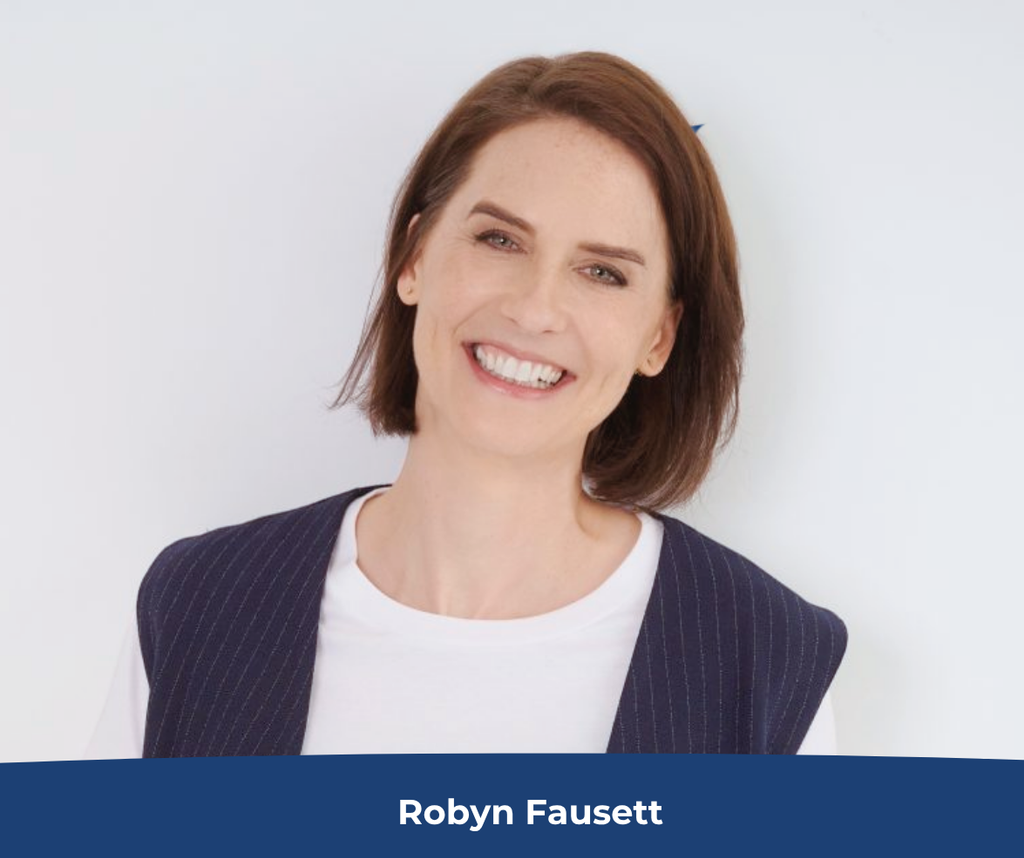
One of our Accredited Fertility Educators, Robyn Fausett, provides a number of in-school programmes that are in line with the curriculum that can be tailored the requirements of each group including:

These programmes are offered via Nest Consulting:

Developed in 2008, Nest Consulting provides services dedicated to health and wellbeing. Nest Consulting provides Puberty, Menstrual, Peri/Menopause, Sexuality, Sexual Violence Prevention, Respectful Relationship (SRR), Body Image/Self Esteem, Cyber Safety/Media Manners and Men’s/Women’s Health education programmes and advisory packages throughout schools, communities and workplaces in New Zealand. 

Nest Consulting frequently contract with organisations and agencies to provide services from consultation to delivery on a variety of health, wellbeing, environmental, diversity and inclusion related topics.

Fertility Awareness is a skill that can support reproductive choices throughout life. The evidence based methods that Natural Fertility NZ teach are used to:

  • Understand the menstrual cycle
  • Avoid pregnancy
  • Shorten the time to Conception
  • Support breastfeeding
  • Monitor the changes during Peri-menopause

Are you ready to learn about your fertility?

Each year, thousands of women in Aotearoa reach menopause. The 10 or so years prior are what is called Peri-Menopause. During Peri-Menopause, hormone production becomes erratic, fertility drops and menstrual periods eventually stop.

It can be a very trying time for some, as these hormonal changes impact on almost every area of their life. Symptoms can vary from woman to woman, and may show up before there are any changes in periods. They can include irregular bleeding, hot flushes, night sweats, skin changes and itching, vaginal dryness, urinary symptoms, osteoporosis, loss of libido, breast tenderness, tiredness, weight changes, forgetfulness, brainfog, depression and anxiety.

By learning Fertility Awareness, you can monitor your declining fertility and accurately predict when your period will arrive. Fertility charting will show if you are still releasing eggs (ovulating) and reassure you that you are not pregnant.

With more understanding of what is happening, you can meet the challenge of the peri-menopausal phase and reduce stress and uncertainty. NFNZ Educators can provide advice on how to navigate this transition, improving your quality of life during this time.

Fertility Awareness when Breastfeeding

Are you looking to delay your return to fertility after giving birth? NFNZ Educators teach 2 methods of Fertility Awareness to women who plan to breastfeed. You will learn how your particular breastfeeding pattern impacts on your fertility and they will help you to decide the best contraceptive method for you.

Are you looking to delay your return to fertility after giving birth? NFNZ Educators teach 2 methods of Fertility Awareness to women who plan to breastfeed. You will learn how your particular breastfeeding pattern impacts on your fertility and they will help you to decide the best contraceptive method for you.

Both methods are:

  • 98% effective when taught by an accredited NFNZ educator (similar to the mini-pill)
  • Evidence based, endorsed by the World Health Organisation, Health NZ
  • Drug free – they do not interfere with your milk production

It’s important to get the right information early on, so get in touch with an Educator to work out what method will suit you best.

The hormones involved in breastfeeding interfere with the hormonal communication between your brain and ovaries – which means that they are not receiving the messages to mature follicles in preparation for ovulation. The hormonal interplay is very sensitive, so any sudden changes to your breastfeeding pattern can wake up your ovaries, and begin the process of your fertility returning.

Many women have heard that all they need to do is breastfeed and they wont get pregnant – this is misinformation, and unfortunately has led to many surprise pregnancies! These stories also do not give Fertility Awareness while breastfeeding a very good reputation.

In order to use breastfeeding to delay your return to fertility, you must learn about Fertility Awareness, and understand what is meant by ‘exclusive breastfeeding’, what can wake up the ovaries, and also what signs of fertility to look out for on a day to day basis.

The Lactational Amenorrhoea Method (LAM) is the method that can be used from birth up until when your baby is 6 months old. 

It relies on you exclusively breastfeeding, and not having had any bleeding from 8 weeks after birth. It is important to get support from a Fertility Educator when practicing this method, as not all women will reach the 6 month mark without their fertility returning somewhat.

Breastfeeding Charting is the method that you switch to at 6 months, or if you no longer meet the criteria for LAM. It is a time of transition for your body, and so extra care needs to be taken.  You will learn how to record your signs of fertility, and details of your baby’s feeding and sleeping patterns. You’ll then learn how to interpret the information in relation to your fertility. 

Once your fertility has completely returned, you can then move onto using the Sympto-thermal Method. Some women are able to delay the full return of their fertility for many months using this method. 

Some women’s bodies respond in such a way to breastfeeding, that fertility can be delayed for an extended time. If you find yourself still nursing a young one and your fertility hasn’t returned, but you are wanting to try for another baby – contact your local Educator, and they can refer you to an Educator with experience in this area.

Yes, the best thing to do is contact a Fertility Educator, and have a chat with them about your situation. As each situation is different, they will be able to give you some personalised advice about your next steps

Choose your Fertility Educator, and organise your first appointment. You will meet with your Educator 3 times, and have regular check-ins with them; 

  1. Preferably before you have your baby, to understand what your goals are, choose the right method, and to make sure you are equipped with the information you need to support both breastfeeding, and what you need to do to delay your return to fertility.
  2. Your second appointment will be after you have given birth, at this appointment your Educator will ensure that you still meet the criteria for your chosen method. 

Between this appointment and the next, your Educator will reach out periodically so that you can update them on your breastfeeding.

  1. The third appointment will happen when you are ready to transition to Breastfeeding Charting – this will either be when your baby is 6 months old, or earlier if you no longer meet the criteria for LAM.

Although breastfeeding can delay the return of your fertility – for some women it does not delay it for very long, so it is vital that you know what to look out for, so that you do not risk an unplanned pregnancy.

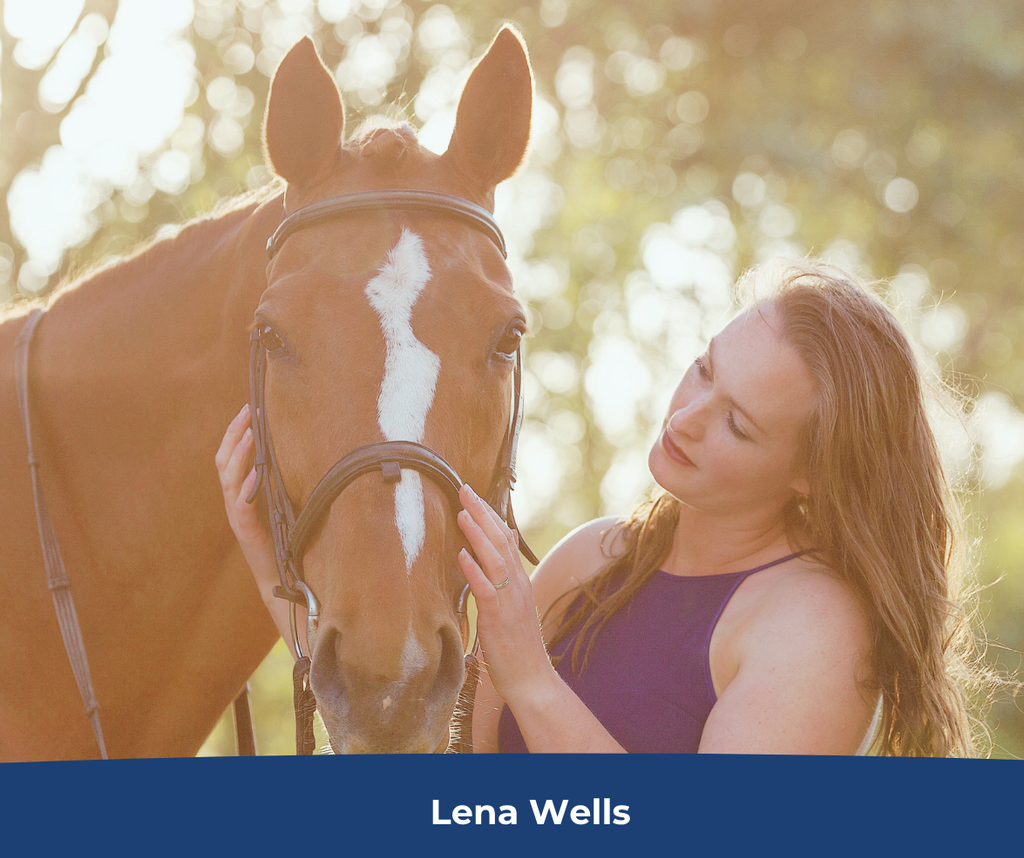
Natural Fertility NZ’s president, Lena Wells, has recorded her own fertility journey from learning the Sympto-thermal Method to avoid conception, to planning her pregnancies, and using both LAM and Breastfeeding Charting after giving birth. Read her story here.

What is Fertility Awareness?

Fertility Awareness in a nutshell is:
‘Being aware of your own signs of fertility, so that you know when your fertility starts and ends each cycle’

What is Fertility Awareness?

Fertility Awareness in a nutshell is:

‘Being aware of your own signs of fertility, so that you know when your fertility starts and ends each cycle’

Your signs of fertility, like cervical mucus, and your basal body temperature (temperature taken at rest) can help you to identify ovulation, the length of the 2nd half of your cycle – and can pinpoint when you’re due for your next period.

Fertility Awareness is not just about making babies, in fact many of those who have learnt from our Fertility Educators, use it to avoid getting pregnant! It is also a vital part of a young woman’s toolkit – once learnt, it can support you from puberty, right up until menopause.

Fertility Awareness is also known as Natural Family Planning, and there are many practices and methods that fall under this umbrella.

At Natural Fertility NZ, we teach the Sympto-thermal Method for those wanting to avoid conception naturally and a variation for those wanting to conceive. The Sympto-thermal Method is over 98% effective for avoiding pregnancy when taught by an Accredited Educator.

We also teach the Lactational Amenorrhea Method & Breastfeeding Charting for those who are about to give birth or breastfeeding.

Both of these methods are evidence based, and endorsed by Health NZ, and the World Health Organisation.

Not all Fertility Awareness Methods are equal

One of the biggest misconceptions about Fertility Awareness based methods, is that when it comes to Avoiding Pregnancy they are all on the same level in terms of evidence and efficacy. Nothing could be further from the truth! 

Everyone has a story of a friend or relative that ‘used Natural Family Planning and got pregnant’ which of course is not the best advertising for us as an organisation. 

There are many ‘methods’ that come under the umbrella of Natural Family Planning, so let’s dive a little deeper, and find out what makes the Sympto-thermal Method a little different. Later this week we will focus on Fertility while Breastfeeding.

Signs of Fertility vs Calculations and Algorithms

One of the biggest differences between the various practices and methods is whether they rely on your own signs of fertility, or whether a calculation (or algorithm) is used to work out when your fertile window is.

Your body is unique, and unfortunately basing your contraceptive decisions on a calculation is not the safest way to avoid getting pregnant. While it may have worked for someone you know, the fact is that they have just been lucky. We take unplanned pregnancies very seriously at NFNZ, so any method or practice that increases your risk is not something we recommend.

Some examples of methods that rely on calculations and algorithms are:

  • The Calendar method
  • The Standard Days method
  • Cycle Beads
  • Any App that uses algorithms based on your cycle length

The calculations are sometimes based on a 28 day cycle, or assume that you ovulate exactly 14 days prior to your period starting. In terms of some apps, like Natural Cycles, the algorithms are not meant to be relied on until they have 12 cycles of your data – so how safe are you in those first 12 months? Not only that, but during times of stress and illness, your fertility changes, and this can not be detected by a calculation or algorithm.

A word on the ‘Withdrawal’ or ‘Pull out Method’

There is also a popular practice called ‘withdrawal’ or the ‘pull out method’ which falls into its own category of risk. It involves the male partner pulling out during intercourse so that they do not ejaculate in the vagina. There are 2 big issues with this practice, firstly, studies have shown live sperm inside pre-ejaculate, and secondly, it relies on the male partner pulling out in time!

What are the Signs of Fertility?

The signs of fertility present differently in each woman, and can vary from cycle to cycle. They include the observation and recording of:

  • Cervical Mucus & Sensation
  • Basal Body Temperature

Recording this information helps you to interpret what is going on in your body, and along with the solid guidelines of the Sympto-thermal Method, it can enable you to avoid pregnancy naturally.

There are some methods that rely solely on one sign of fertility, like mucus or temperature only. If you have irregular cycles, a hormonal imbalance or condition like Polycystic Ovarian Syndrome (PCOS), your mucus patterns will not tell you if you have ovulated. Temperature only methods can only confirm that you have ovulated, but not the end of your fertility, so not so great for avoiding conception or when you are trying to conceive. Although tracking temperature only can be helpful when trying to time some blood tests.

Separating Fact from Fiction

There is an over abundance of information available online and in various books, that can turn learning Fertility Awareness into a difficult to navigate process. At NFNZ we teach using your own cycles, and have a simple easy to follow process that takes the guesswork out for you. You will also be able to have complete confidence in the method, which takes away any stress associated with an unplanned pregnancy.

In the next Article, we will look more into how you can use the Sympto-thermal Method to Avoid Pregnancy….

Are you wanting to learn more? Ask one of our Educators

Find an Educator

Lena’s Natural Fertility Journey

When I was young, I began taking the oral contraceptive pill. No matter which one I tried, I always ended up feeling a little flat with mood changes and experienced weight gain. Over 5 years I tried several different combined oral contraceptive pills and a mini pill – but none of them worked for me.

My introduction to Fertility Awareness

When I was young, I began taking the oral contraceptive pill. No matter which one I tried, I always ended up feeling a little flat with mood changes and experienced weight gain. Over 5 years I tried several different combined oral contraceptive pills and a mini pill – but none of them worked for me.

My experience with the pill had left me feeling defeated, and I needed to find a solution that worked well with my body. At that time I was studying a Bachelor in Applied Health, majoring in Natural  Medicine. Late one night while studying for tests, I found myself distracted and googling Natural Fertility. My eldest sister had recently been taught the Sympto-thermal Method by a North Island Educator and I was intrigued to know more. Incidentally my other older sister was going through the process of trying to conceive around this time – so family planning in general was a hot topic amongst my sisters and I.

I was curious about my own natural cycle and fertility, as I was in a long-term relationship and wanted children in the future. As a student practitioner, I was seeing a lot of patients who were having difficulty conceiving and had very little understanding of their fertility, so I was determined to explore this more for both myself, and for those who I was working with in clinic.

I stumbled upon Natural Fertility NZ’s website late one night and sent them an enquiry. At that time they didn’t have any educators in Southland, and asked if I would be interested in a scholarship to train with them to become a Natural Fertility Educator myself. Without any hesitation, I accepted, and studied under a wonderful team of clinical supervisors.

How I learnt the Sympto-thermal Method

After accepting my scholarship, I completed my training to become a Fertility Educator over about 12 months and became a fully fledged Accredited Educator. I was able to put into practice the Sympto-thermal Method as I was learning it, which resulted in a deep understanding of the method and the realities of learning and practicing it successfully. It was amazing to be able to sit down and look at my cycle from start to finish, see if and when I ovulated, how my cervical mucus changed from infertile to fertile and then back to infertile and calculate how long my luteal length was. I found the whole process both empowering and fascinating.

It was not always easy, especially at the start when it was new and I was still learning. It took time to get the hang of interpreting my cycle and determination to make sure I recorded all of the necessary information. Once I had recorded and interpreted a few cycles, it got really easy and I happily used this method to avoid pregnancy for many of my early fertile years.

The knowledge the method has given me has also helped me to monitor my overall health, as things like stress impact on my signs of fertility and I notice changes like breast tenderness, pms etc that was unusual for me. During times of significant stress in my life such as when my father was passing away from cancer, I noticed ovulation shifted, which was due to the severe stress that disrupted my nutrition and sleep. 

There is another little perk to practicing Fertility Awareness throughout my reproductive years, and that is – I know what to look out for as I transition through peri-menopause. While each woman will have their own experience, knowing what my normal is, and being in tune with my signs of fertility, I will be able to navigate the changes with confidence.

How Fertility Awareness helped me to get pregnant, and supported breastfeeding

After using the Sympto-thermal Method for around 6 years to avoid pregnancy, the time came to start trying for a baby. We appreciated that we had all this fertility knowledge to tap into and could flip the method to time baby making sex during our most fertile time. This resulted in a gorgeous, big, bouncy baby girl who was nearly 10 pounds and cute as a button. Although I failed to crack the maths on when she would be due, and her original due date was Christmas Day! Luckily she stayed in there a fair bit longer and we made it into January. 

After giving birth, I then started using the Lactational Amenorrhea Method (LAM) of Natural Fertility Awareness. This is a separate method that supports breastfeeding in the first 6 months after birth, and tracks your return to fertility during the breastfeeding stage. My cycle returned very quickly, even while breastfeeding fully and on demand – so for me the LAM method was quite a brief period of time! 

I am so grateful to have had a thorough understanding of how breastfeeding impacts on fertility, as I was able to detect my return to fertility and take the necessary precautions to avoid getting pregnant. Once my cycles had returned I went back to practicing the Symtpo-thermal Method until we had baby #2 (slightly smaller thank goodness!). Then once again I utilized LAM, and then went back to the Sympto-thermal Method once my fertility had returned.

Our reproductive cycle is a significant factor for a large portion of our lives, and to have the tools to navigate it with confidence has been such a pleasure and something I am really grateful for. 

~ Lena Wells, President of Natural Fertility NZ